Wildfire News
‹ All PostsWhat Southern Europe’s Wildfire Images Reveal
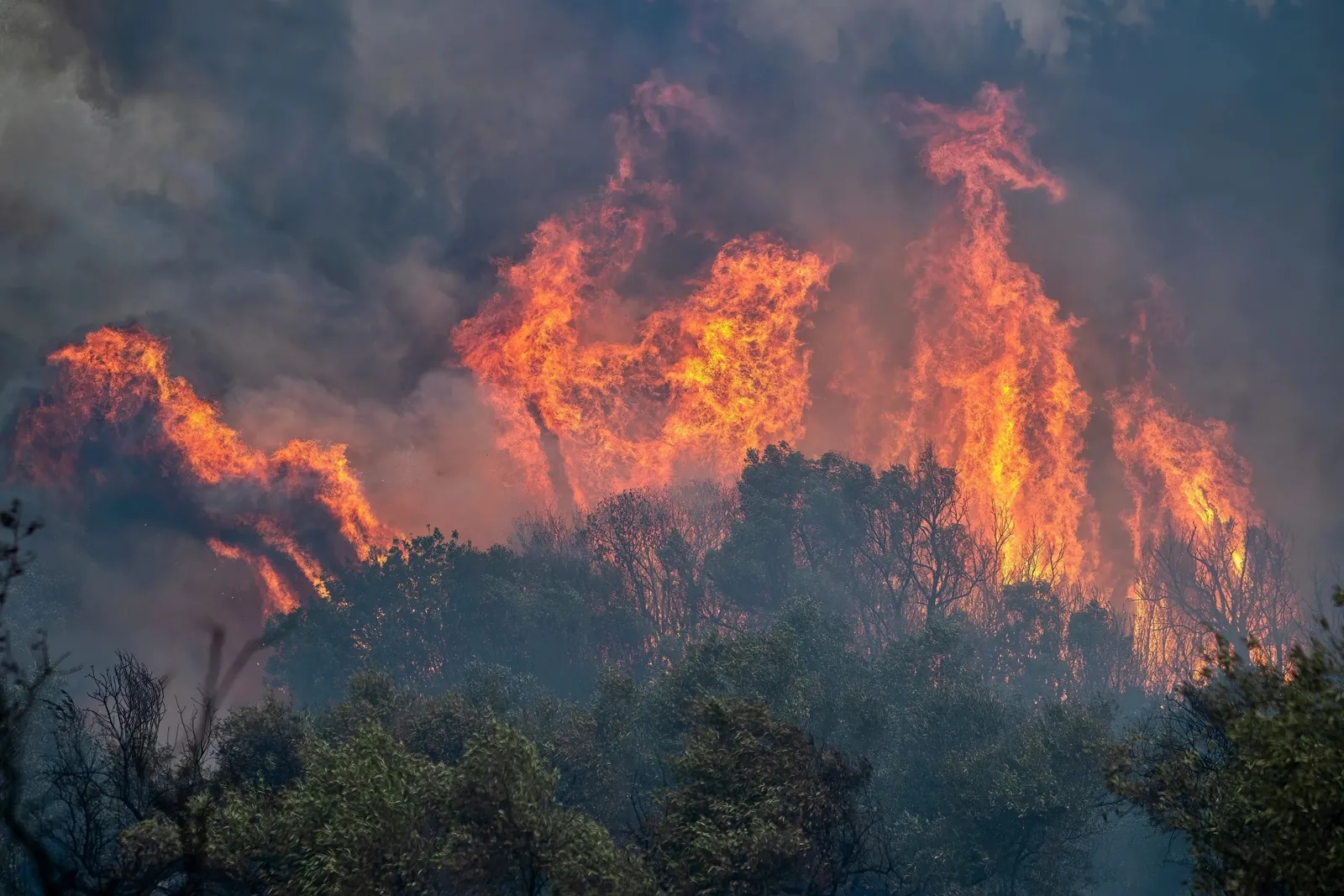
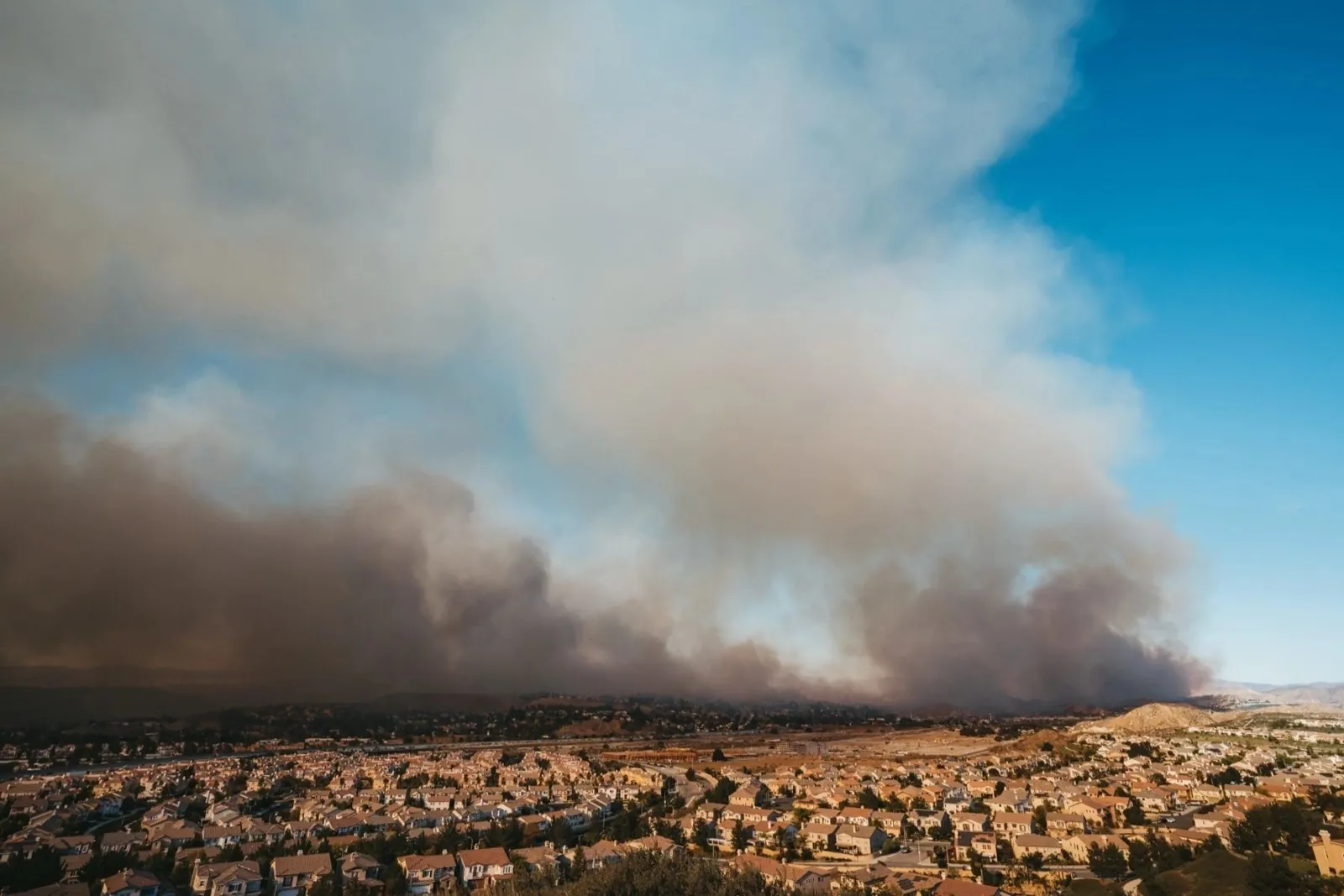
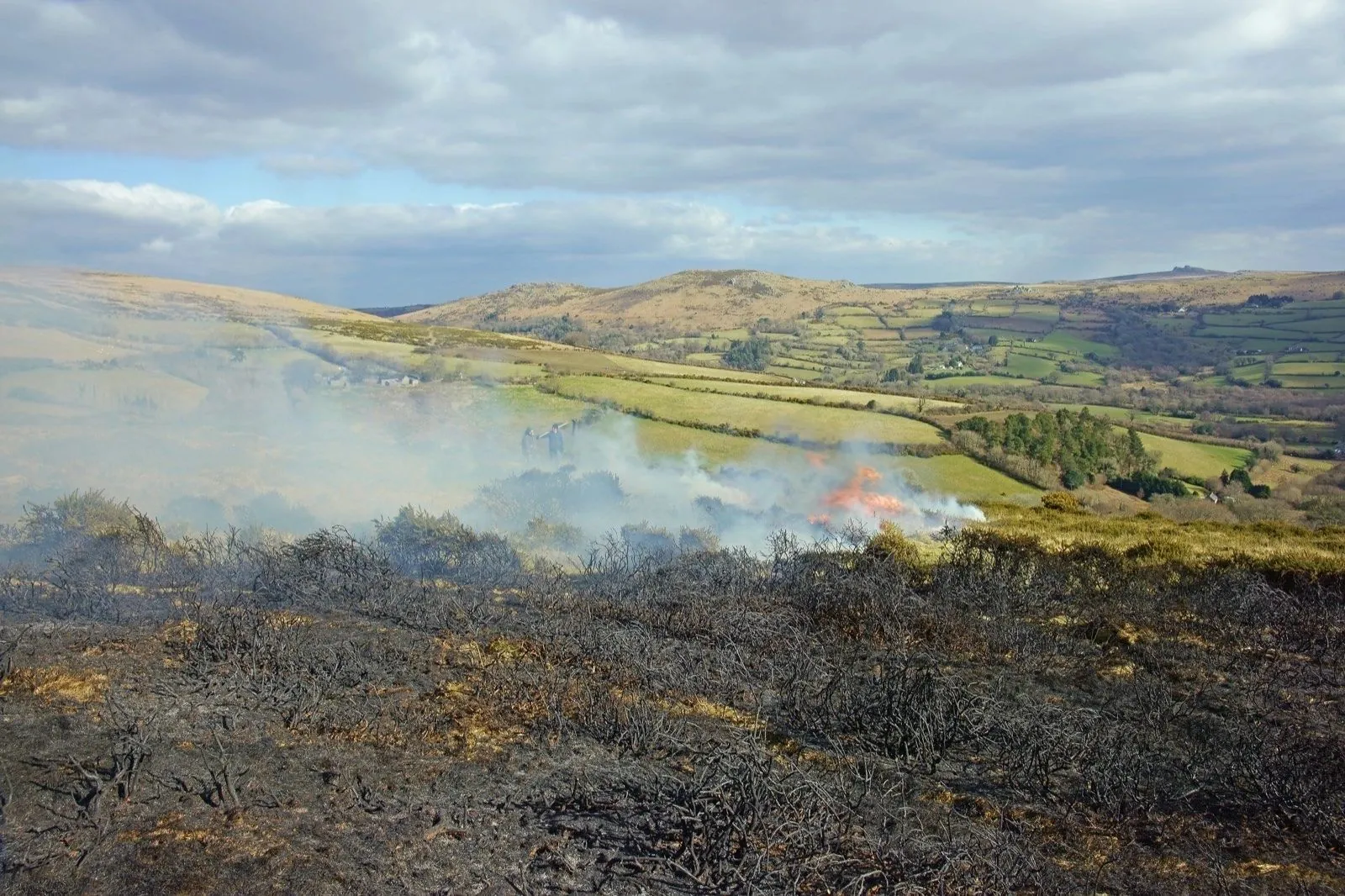
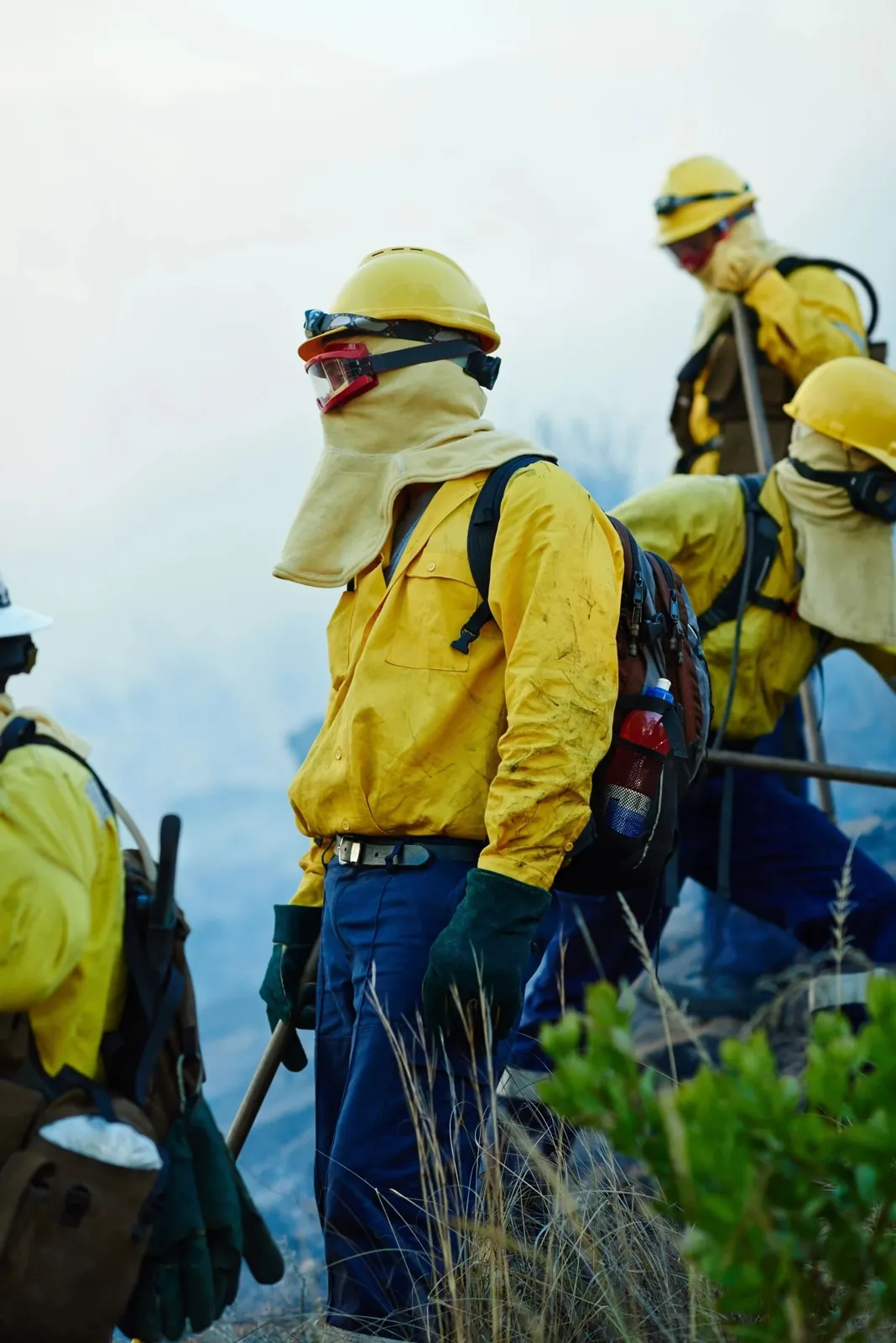
Wildfire images often show the most visible parts of an emergency: flames, smoke, helicopters, aircraft, firefighters, evacuations, damaged homes and threatened landscapes.
But for serious wildfire-risk stakeholders, the real message is not only what appears in the photograph. It is what the image reveals about readiness.
A recent Guardian photo feature showed wildfires affecting parts of Greece, France, Portugal and Spain, with scenes including aerial drops, ground crews, smoke near settlements, evacuations, difficult terrain and response activity close to communities and infrastructure.
For civil protection authorities, utilities, critical infrastructure owners, forestry stakeholders, OEM/platform partners and investors, these images point to a larger truth: wildfire response is not a single action. It is a coordinated system challenge.
Modern wildfire response depends on how quickly capability can be positioned, how clearly operators can understand the environment, how suppression assets are launched and supervised, how action is assessed, and how the response cycle can be repeated under pressure.
That is where response readiness becomes central.
Wildfire response is more than visible suppression
A helicopter dropping water is a powerful image. A firefighting aircraft releasing retardant is a visible sign of action. Firefighters pulling hoses through smoke show courage, coordination and urgency.
But no single image shows the whole operational chain.
Aerial suppression alone does not solve the full response problem. Detection alone does not solve it. A dashboard alone does not solve it. A drone alone does not solve it. A field vehicle alone does not solve it.
Each element may be valuable. The challenge is whether those elements are connected.
Wildfire response requires the coordination of field deployment, aerial suppression, sensing, post-action assessment, repeatable turnaround and operator oversight. If these parts remain disconnected, response can become fragmented. Information may not move quickly enough into action. Suppression may not be followed by clear assessment. Assets may not return quickly enough for another cycle. Operators may not have the visibility needed to support accountable decisions.
The future of wildfire response will depend less on isolated tools and more on integrated systems.
The images show why terrain and timing matter
Many wildfire environments are difficult before the first flame appears.
Response teams may face remote terrain, smoke, wind, steep slopes, limited access routes, nearby settlements, exposed infrastructure, industrial facilities or fast-changing fire behaviour. In the Guardian gallery, several images showed response activity in challenging environments, including mountainous areas, roadsides, residential zones and locations where aerial and ground assets were both involved.
This matters because distance costs time.
A response system that is too far from the risk area may arrive after conditions have changed. A response asset that cannot be launched, turned around or assessed efficiently may provide less value during a prolonged event. A sensing layer that does not connect to operational action may create awareness without readiness.
Field deployment is therefore not a secondary detail. It is part of the response system itself.
For public agencies, field deployment supports faster operational positioning. For infrastructure owners, it can bring response capability closer to exposed assets such as power corridors, substations, telecom networks and transport links. For forestry and land-management stakeholders, it can support preparedness in areas where conventional access may be constrained.
PRAESI’s public platform materials describe the company as developing an integrated wildfire-response platform that combines field command infrastructure, autonomous aerial suppression assets, sensing, repeatable turnaround and oversight-ready operational data.
Aerial suppression must connect to assessment
Aerial suppression is often the most visible part of wildfire response. It is also one of the areas where public attention naturally focuses.
But the more important operational question is what happens before and after the aerial action.
Before action, operators need to understand the risk environment, the target area, the surrounding exposure, the asset pathway and the constraints on safe and accountable response. After action, they need to assess whether the intervention had the intended effect, whether follow-up is required, and whether assets can be turned around for redeployment.
This is why post-action assessment matters.
Suppression without assessment can become activity without clarity. Assessment helps turn action into operational understanding. It supports the next decision, the next deployment, and the next stage of response.
PRAESI’s public platform description includes sensing, post-action assessment, response workflow, repeatable turnaround and operator oversight as part of the system concept, while keeping sensitive technical logic restricted.
Smoke, evacuations and infrastructure exposure widen the problem
Wildfire risk is not only a forestry issue.
When smoke reaches settlements, when residents are evacuated, when roads are affected, when businesses or industrial facilities are threatened, or when emergency services are stretched across multiple locations, wildfire becomes a public-safety, infrastructure and resilience issue.
This is why wildfire response must be understood across stakeholder groups.
Civil protection and fire-response authorities need speed, coordination and accountability. Utilities and critical infrastructure owners need visibility near exposed assets. Forestry and land-management stakeholders need repeatable response capability in difficult terrain. OEM and platform partners need to understand how specialist components fit into a complete system. Investors and strategic partners need to evaluate whether a company is building a defensible response architecture rather than a single-feature product.
PRAESI’s “Who We Serve” page identifies these same stakeholder groups and frames their common need around faster field response, aerial suppression capability, clearer post-action assessment and accountable operational oversight.
Operator oversight remains essential
Autonomous capability must be communicated carefully in public-safety environments.
The goal is not to remove human responsibility from wildfire response. The goal is to support operators with clearer information, structured workflows, staged response capability and better operational visibility.
In serious emergency-response contexts, autonomy should sit inside oversight. Operators need to understand what the system is doing, what remains uncertain, what action has been taken, what assessment has shown and what the next available step may be.
That is why operator oversight is not an optional layer. It is central to accountable wildfire response.
PRAESI’s company materials describe the business as developing a patented integrated system for accountable wildfire suppression and response, connecting field deployment, aerial suppression, sensing, repeatable turnaround and operator oversight into a more organised wildfire-response architecture.
The PRAESI perspective: build the response chain
The lesson from southern Europe’s wildfire images is not simply that wildfires are dangerous. That is already understood.
The deeper lesson is that wildfire response is a chain.
That chain includes readiness before the incident, positioning near risk, sensing and situational awareness, aerial suppression capability, operator supervision, assessment after action, and the ability to repeat the response cycle.
If one part of the chain is missing, the whole response can become weaker.
A sensor without deployment capability may create awareness without action. A suppression asset without assessment may create activity without clarity. A field unit without oversight may create movement without accountability. A response system without repeatable turnaround may be limited during prolonged wildfire conditions.
PRAESI is being developed around the complete chain rather than a single isolated tool. The company’s public materials describe a disciplined, high-level system pathway, with deeper technical, partner-integration and deployment details shared only through controlled disclosure.
That distinction matters. Wildfire response technology should not be judged only by whether it looks impressive in isolation. It should be judged by whether it can support a more organised, repeatable and accountable response system.
Conclusion
Wildfire images show action. Response readiness requires the system behind the action.
For civil protection authorities, infrastructure owners, forestry stakeholders, OEM/platform partners and investors, the question is no longer whether technology can play a role in wildfire response. The question is whether that technology can be integrated into a response architecture that is visible, repeatable and accountable.
Southern Europe’s recent wildfire images are a reminder that the operational environment is complex. Terrain, smoke, evacuations, aerial activity, ground response and infrastructure exposure all interact at once.
PRAESI is being built around that system-level challenge: connecting field deployment, autonomous aerial suppression, sensing, repeatable turnaround, post-action assessment and operator oversight into a more disciplined wildfire-response pathway.
To discuss PRAESI’s wildfire-response platform, proof-build pathway or partner-readiness direction, request a briefing through the PRAESI contact page.