Wildfire News
‹ All PostsUK Wildfires: The Readiness Gap Behind a Record Fire Year
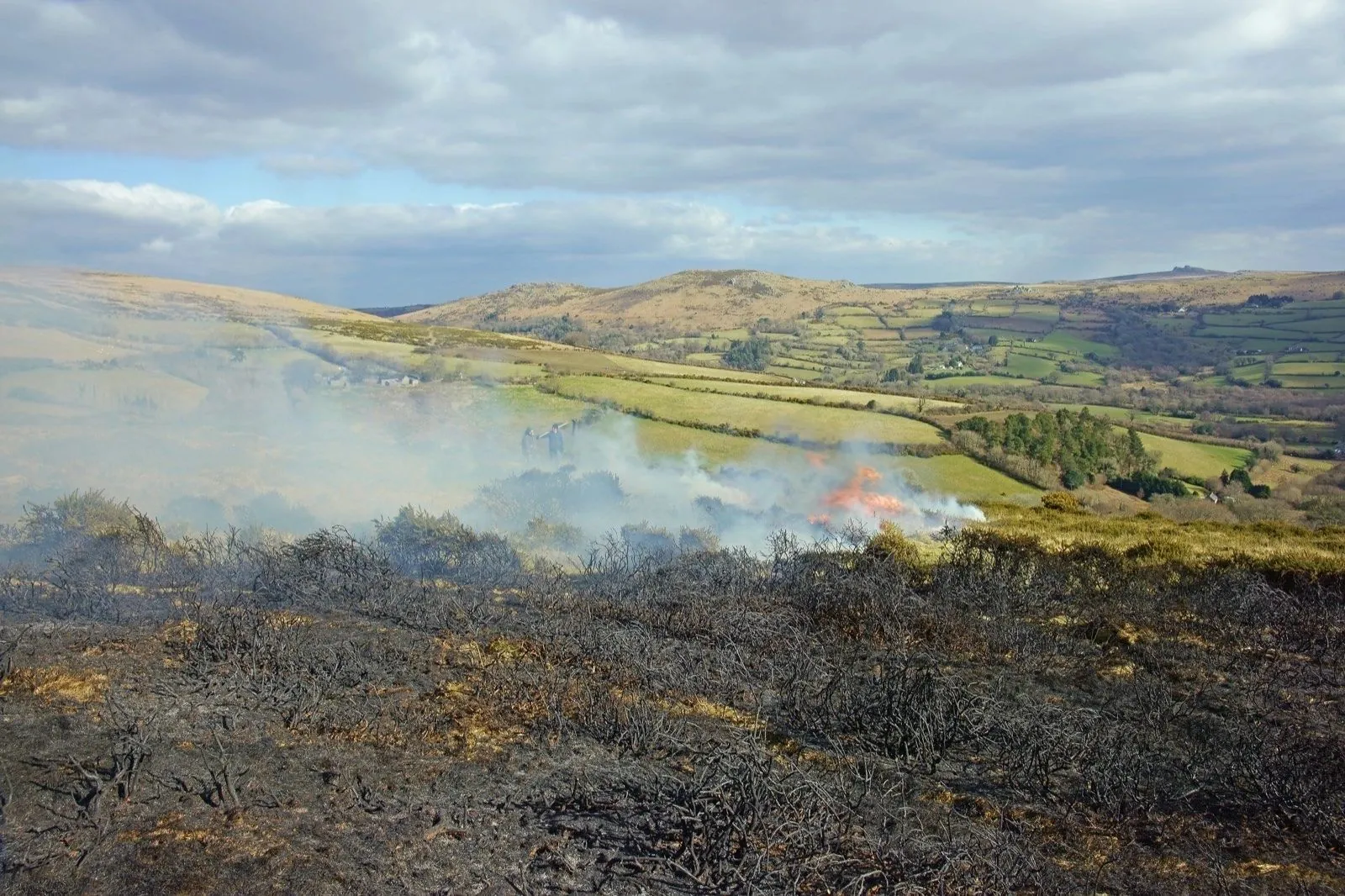
A grass fire starts on ground most people pass without a second glance. In a dry spell, wind can carry it across open land towards a road, a business or a row of houses before the first crews have finished sizing it up. That is the problem behind The Times’ warning that more lives could be lost unless the UK changes how it prepares for wildfires.
The paper calls 2026 Britain’s worst year for grassland blazes and reports demands for more firefighters and better training. The demand is worth testing against the figures, and against the people who had to turn out.
What this summer asked of London
Between May and August, London Fire Brigade attended 2,911 fires involving grassland, woodland or crops. Its control room took 8,783 calls about those incidents. By 9 September the brigade had recorded 209 wildfires in 2026, and 64 of those needed at least six fire engines. On 29 July, crews attended 63 separate grass fires.
Those numbers are London’s, not the UK’s. They measure different things: incident counts and calls, along with the number of larger deployments. Together they show why wildfire readiness cannot be judged on final area burned alone. One afternoon can stretch a control room thin and pull crews away from other emergencies.
The brigade says it has invested in off-road vehicles and specialist training, and it sent staff to help other fire services through the summer. At a fire in Orpington, firebreaks the landowner had already made helped limit the spread. That is work done before any smoke appears, which makes it the least visible part of the job.
The national figures need careful reading
On 8 October, the UK government published provisional wildfire statistics for England covering the period to 31 August. In that series, a wildfire means an outdoor fire that burns more than 1,000 square metres. The 2026 figures cover only part of the year and may be revised as more records arrive. On their own they cannot settle a claim about a full year across Britain.
That distinction matters. A busy day of small grass fires can create a serious operational burden even when individual fires fall below the government’s size threshold, while a large fire on remote land presents a different challenge. The 1,000 square metre line is a defensible statistical convention and a poor description of what a shift actually feels like. Counting both kinds accurately helps. Preparedness also depends on where crews can get in, what fuel lies ahead of the flames, and whether people nearby receive clear instructions.
Fire chiefs want capacity built before next summer
In August, the National Fire Chiefs Council said wildfire risk was outpacing investment. It called for a long-term strategy covering firefighters and specialist teams, with better training and equipment behind them, plus national support that includes aerial capability. By 13 August the council had reported 25 major incidents linked to extreme heat and wildfires. That was a dated snapshot, not a final annual total.
There is a practical reason for the long view. Crews cannot acquire off-road skills, vehicles or shared procedures during an afternoon when several fires are spreading at once. Local authorities and land managers need lead time too: planning access, maintaining firebreaks where appropriate, agreeing who acts when the weather turns dangerous.
Prevention belongs in the same plan. An October post on the government’s Environment blog describes a North Yorkshire campaign asking visitors to change ordinary habits in dry conditions, disposable barbecues among them. The same post covers the Fylingdales Moor fire of 2025, which began in late June and was not formally closed until six months later. An ignition can be brief. What follows it is not.
A useful warning is one people can act on
Earlier detection can let responders see smoke sooner and locate a developing fire. PRAESI works on wildfire detection and monitoring technology, so read the next sentence with that in mind. The technology has a narrow role: it can support a timely alert and a clearer picture of where a fire is developing. It does not create crews, clear access routes or decide whether an area should be evacuated. Detection is the easier half of this problem.
The measure of readiness is what happens after an alert. Who receives it? Can they verify the location? Which team can reach the site, and what information do residents need? The Times’ warning is useful because those questions can still be answered now, while there is time to train, maintain equipment and reduce avoidable ignitions.
Read More / Sources
- The Times: “More lives will be lost” unless UK takes action on wildfires.
- London Fire Brigade: one of its busiest summers, 9 September 2026.
- UK government: provisional wildfire statistics for England, 8 October 2026.
- National Fire Chiefs Council: wildfire risk outpacing investment, 13 August 2026.
- Defra Environment blog: changing public behaviour, 2 October 2026.