Wildfire News
‹ All PostsIndonesia’s Haze Crisis: Wildfire Becomes a Health Emergency
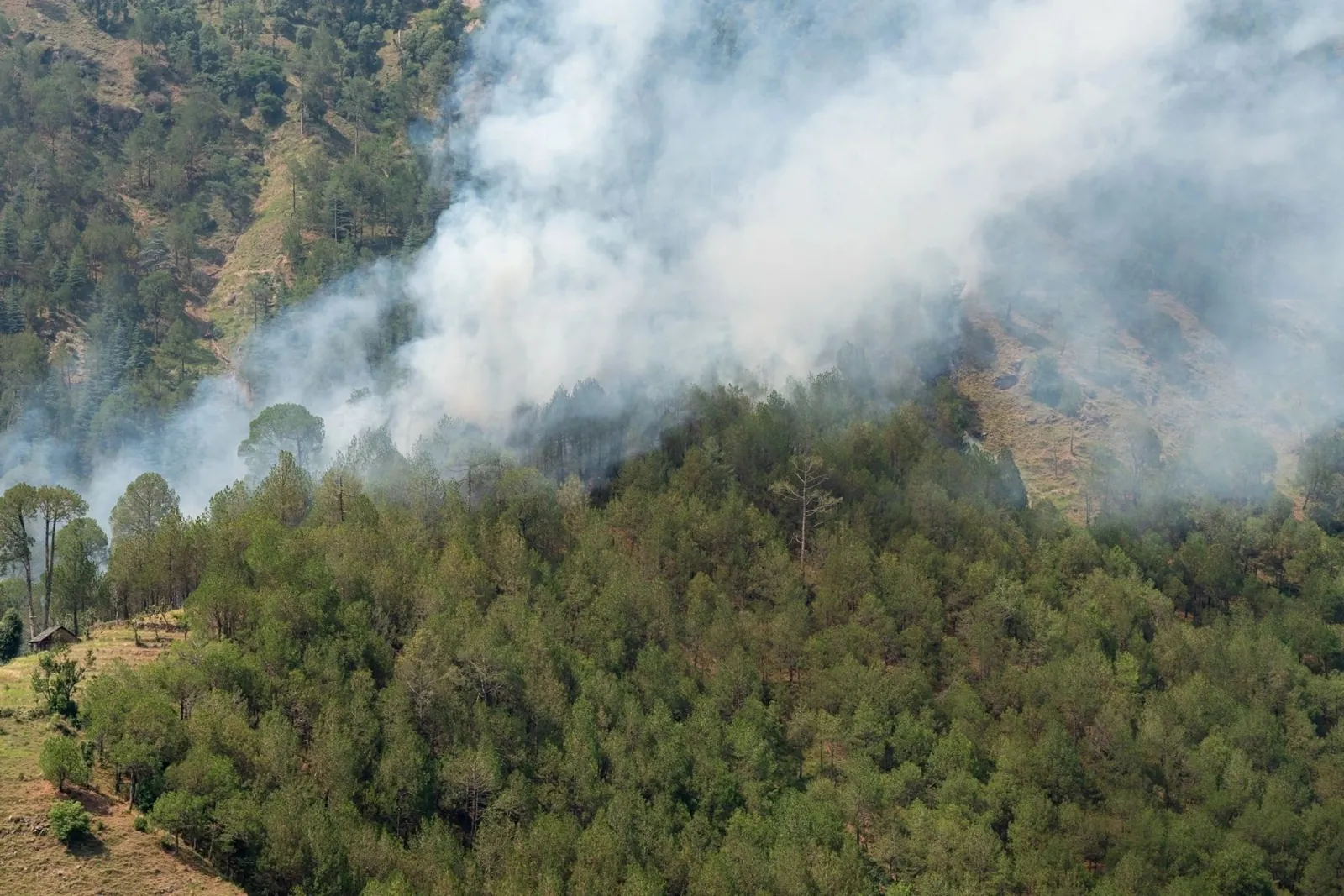
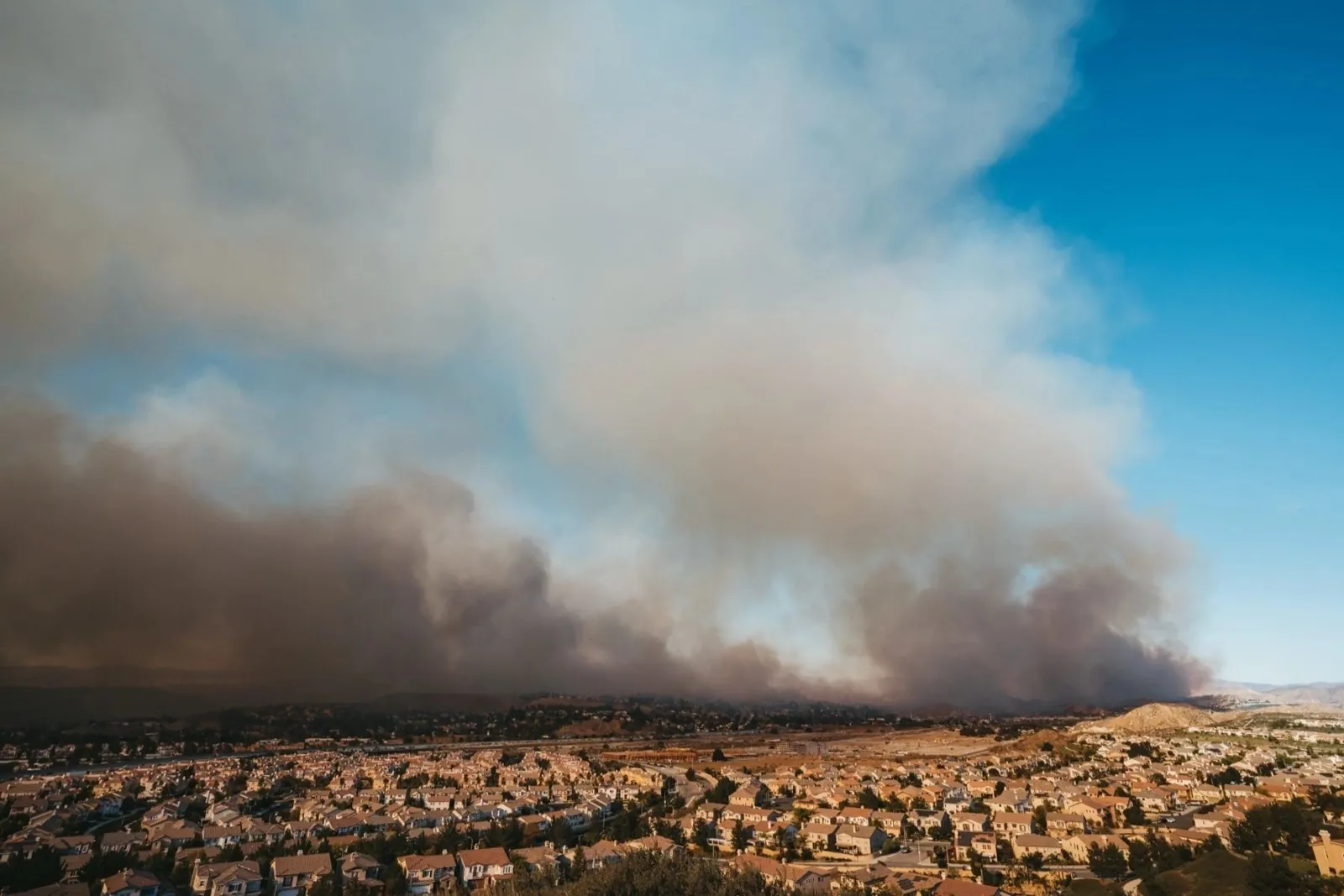
A fire perimeter can be mapped. The reach of its smoke is harder to contain.
Indonesia’s latest health figures show why wildfire readiness must extend beyond the places where vegetation is burning. The demands on a response can spread into clinics, homes, workplaces and neighbouring countries.
More than double in eight days
Reuters reported on 10 September 2026, citing Indonesia’s health ministry, that wildfire-related respiratory illnesses had risen from 50,891 on 1 September to 113,336 on 9 September. The reported total increased by 62,445, or approximately 123%.
The ministry said more than 12.5 million people across seven provinces had been exposed to haze. Forest and peatland fires were affecting Sumatra and Borneo, while neighbouring Singapore and Malaysia also recorded unhealthy air quality associated with transboundary haze.
Authorities were sending medical personnel, masks and oxygen equipment to affected areas. Reuters, 10 September; syndicated report.
These are reported illness totals at two dates. They should not be read as hospital admissions, deaths or the proportion of all exposed people who became ill.
Smoke changes the scale of the response
Wildfire smoke contains fine particles and gases. The World Health Organization identifies particulate pollution as a major health concern and explains that smoke can travel far beyond the fire zone.
Exposure can irritate the eyes and airways and worsen existing respiratory conditions. Children, older adults, pregnant people and those with underlying heart or lung conditions can face greater risks. Outdoor workers and responders may also have limited opportunities to avoid exposure. WHO: wildfires and health.
The operational implication is straightforward: distance from visible flames cannot be the only basis for preparedness.
A response plan that follows the fire edge alone may leave another set of decisions unresolved. Which communities need updated air-quality information? Which public buildings can support cleaner indoor air? How will medical teams learn that demand is rising elsewhere?
Those questions connect fire management with public health and continuity of essential services.
Peatlands add persistence to the problem
The Copernicus Atmosphere Monitoring Service described an intensifying start to Indonesia’s seasonal fires in its 21 August assessment. It noted the particular difficulty of peatland fires, which can burn underground at lower temperatures, and reported regional smoke impacts.
That assessment provides background to the developing season; it is not a September health update. Copernicus: Indonesia’s seasonal fires.
For preparedness, persistence matters. An intervention must fit the fuel, terrain and duration of the incident. A temporary improvement in visibility is not, by itself, evidence that the underlying fire problem has been resolved.
International support needs an operating plan
On 10 September, Associated Press reported the arrival of a Japanese transport ship in Indonesian Borneo with personnel and three CH-47 helicopters to support firefighting. Associated Press.
Additional equipment creates an opportunity. Turning that opportunity into useful action requires coordination: where assets can operate, who assigns the mission, how crews communicate and how support continues between deployments.
The same principle applies across the response. Fire agencies, health services and local authorities need information that is timely enough to act on and clear enough to share.
Three priorities the haze crisis brings into focus
- Connect fire and smoke information. Incident maps, air-quality observations and forecasts answer different questions. Decision-makers need to understand those differences and use them together.
- Prepare for sustained demand. Personnel, equipment, maintenance and supplies must support repeated operations and changing needs across locations.
- Make public information actionable. A warning should help people understand what to do, where to find official updates and when advice has changed.
These are preparedness priorities, rather than claims that any single intervention would have prevented the reported illnesses.
The PRAESI perspective
PRAESI is developing an integrated wildfire-response system designed to connect field deployment, sensing, autonomous aerial suppression, operator oversight and repeatable response workflows.
Indonesia’s experience underlines the importance of that wider operational view. An asset has to fit into a response chain: information, decision, action, assessment and the capacity to continue.
The aim is to support clearer coordination and practical response capability. Those ambitions require testing and validation. PRAESI has not been identified as participating in the Indonesian response described here.
Wildfire readiness must account for the people breathing the smoke as well as the land beneath the flames.
Frequently asked questions
Does the reported increase mean infections were being transmitted by smoke?
The Reuters report uses the health ministry’s description of wildfire-related respiratory illness. It does not establish a mechanism of transmission between people. Smoke exposure can harm respiratory health, but the reported figures should not be interpreted as a contagious-outbreak measure.
Can smoke affect people far from a fire?
Yes. WHO explains that smoke can travel long distances and affect communities outside the immediate fire zone. Follow local air-quality alerts and official health advice. WHO guidance.
What general precautions does WHO recommend?
During heavy smoke, WHO advises reducing exposure, limiting outdoor activity, protecting indoor air and seeking cleaner-air spaces. People with symptoms should seek medical advice as needed. Local authorities’ instructions should guide decisions as conditions change. WHO: protecting health from wildfire smoke.
Is this article a current emergency advisory?
No. It is a news analysis based on the dated reporting linked above. It does not replace current instructions from Indonesian authorities or local health services.
Source note
Prepared on 12 September 2026, using Reuters’ 10 September report, corroborating international reporting, Copernicus context and WHO health guidance. The percentage change was calculated from the two reported totals and rounded. PRAESI’s operational observations are editorial analysis, not findings of a clinical study.